Project Overview
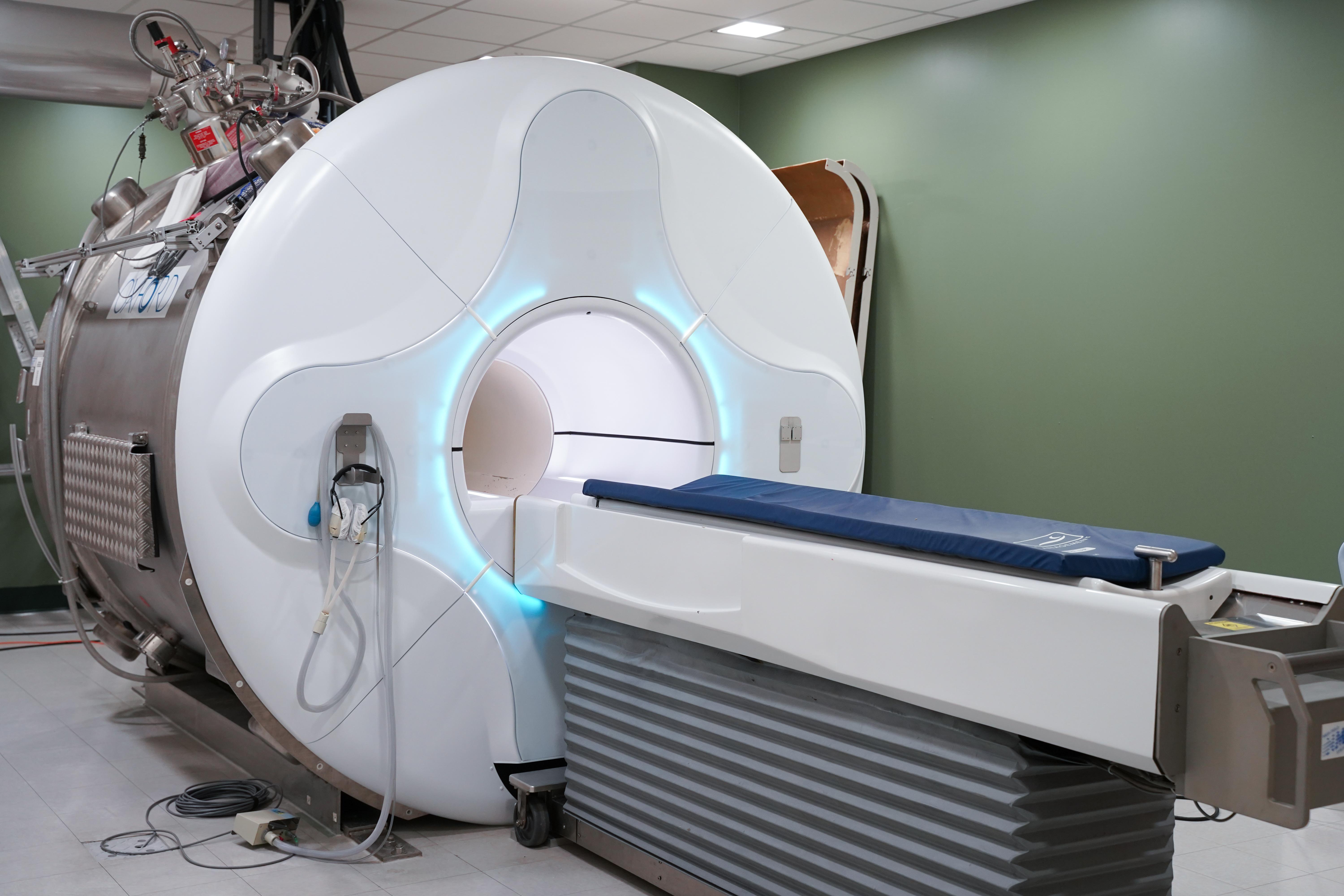
The Peter S. Allen MR Research Centre at the University of Alberta faced a critical challenge: despite its advanced capabilities, their 4.7T MRI system was aging and its intimidating appearance was causing anxiety in volunteers, threatening the facility's ability to conduct vital medical research.
The University partnered with Onetwosix Design to transform a stress-inducing medical experience into a welcoming environment that supports continued breakthrough research while extending the life of this valuable research asset.
Services Provided
The scope of work covered analysis of user requirements, 3D digital development and technical resolution, and fabrication and installation using vacuum formed components.
User-centered design research and analysis
3D CAD modelling and engineering
Vacuum forming manufacture and installation
Before the Partnership
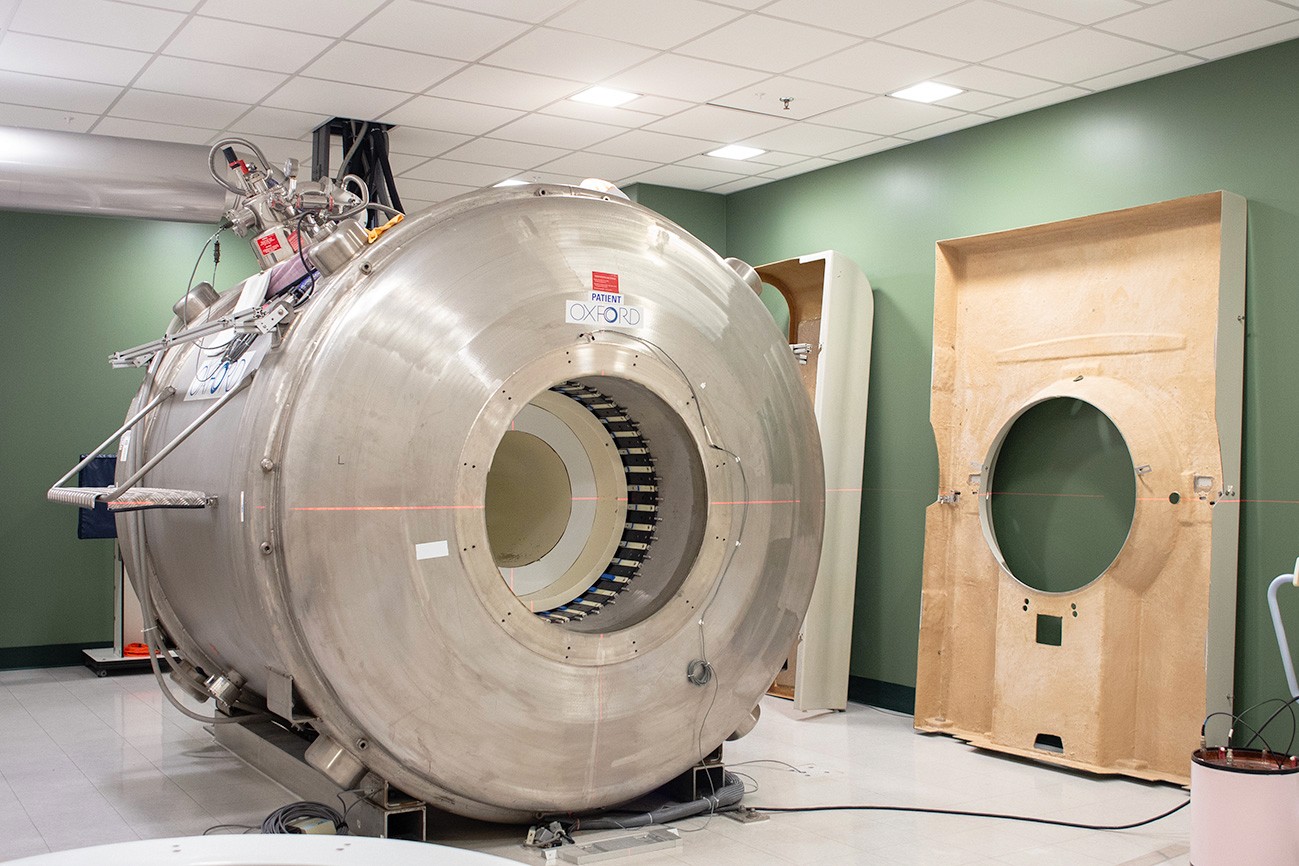
The University of Alberta's 4.7T MRI system represented a significant investment in medical research infrastructure, but its aging enclosure had become a limitation:
Years of use had left the enclosure looking clinical and uninviting, amplifying the already stressful experience of undergoing an MRI procedure.
The existing sheathing system created accessibility issues for technicians, leading to increased downtime and maintenance costs.
Any design, materials, and hardware had to be compatible with the powerful 4.7T magnetic field.
All design elements needed to meet strict medical device standards and safety protocols.
The Peter S. Allen MR Research Centre possessed deep expertise in medical research but lacked the specialized industrial design knowledge needed to balance aesthetics, functionality, and complex technical constraints.
What We Did
Onetwosix Design approached this project as a comprehensive user experience challenge, applying design expertise to transform both the physical and psychological aspects of the MRI experience:
Conducted user research to understand specific anxiety triggers and spatial concerns of research participants.
Developed 3D CAD models that optimized both visual appeal and maintenance accessibility.
Engineered a modular panel system using vacuum forming manufacturing processes for durability and precision.
Sourced specialized materials and hardware compatible with the intense 4.7T magnetic field environment.
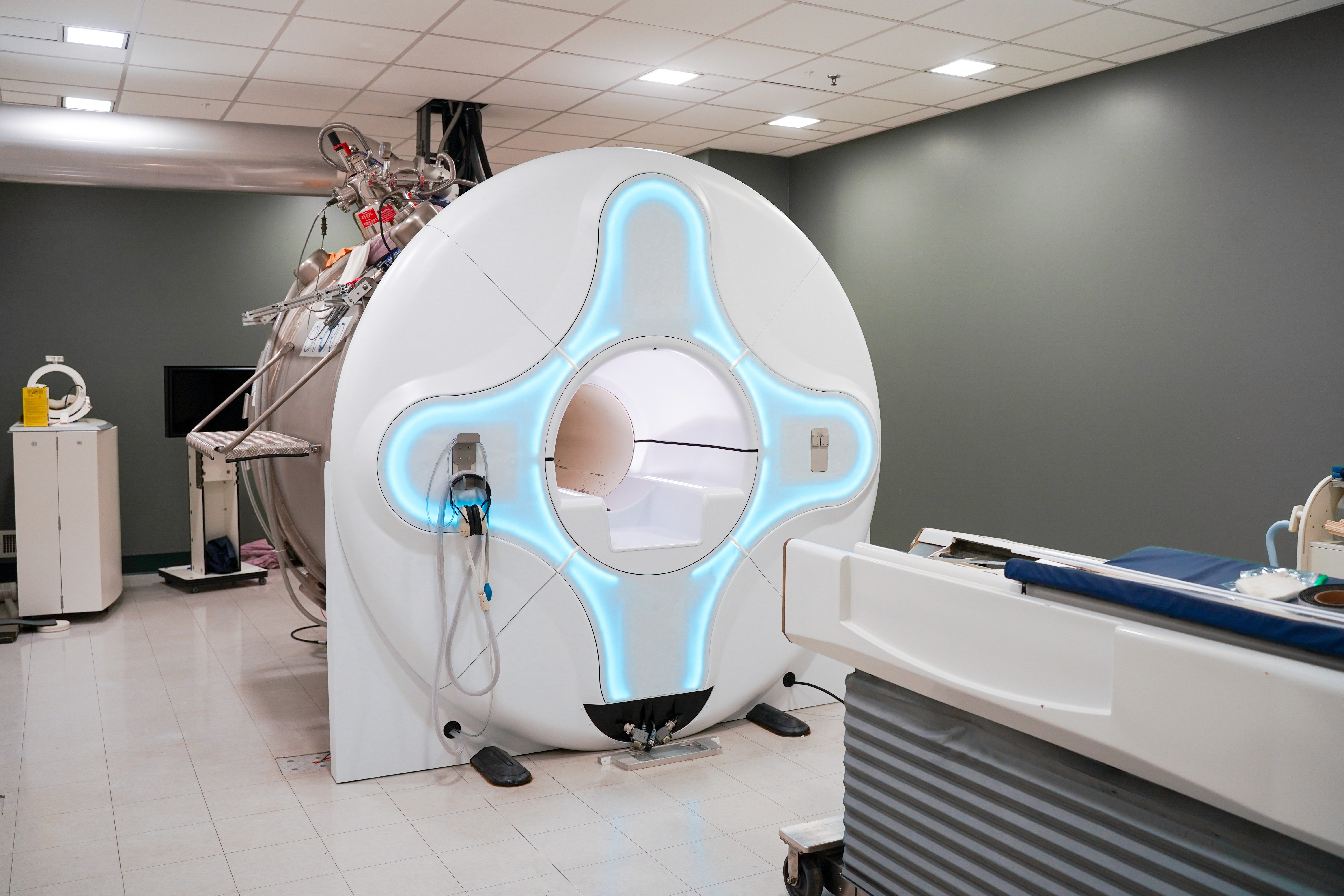
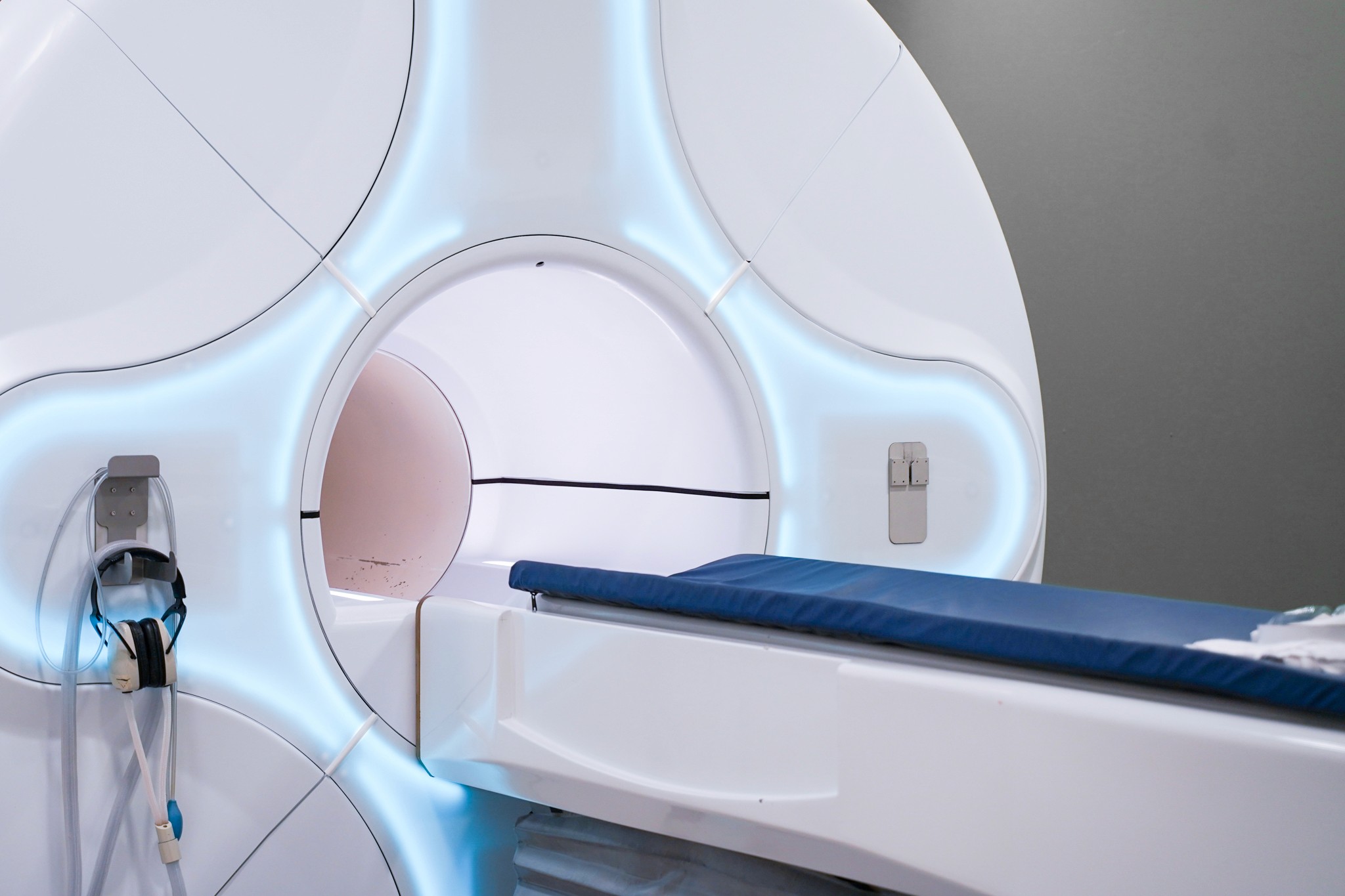
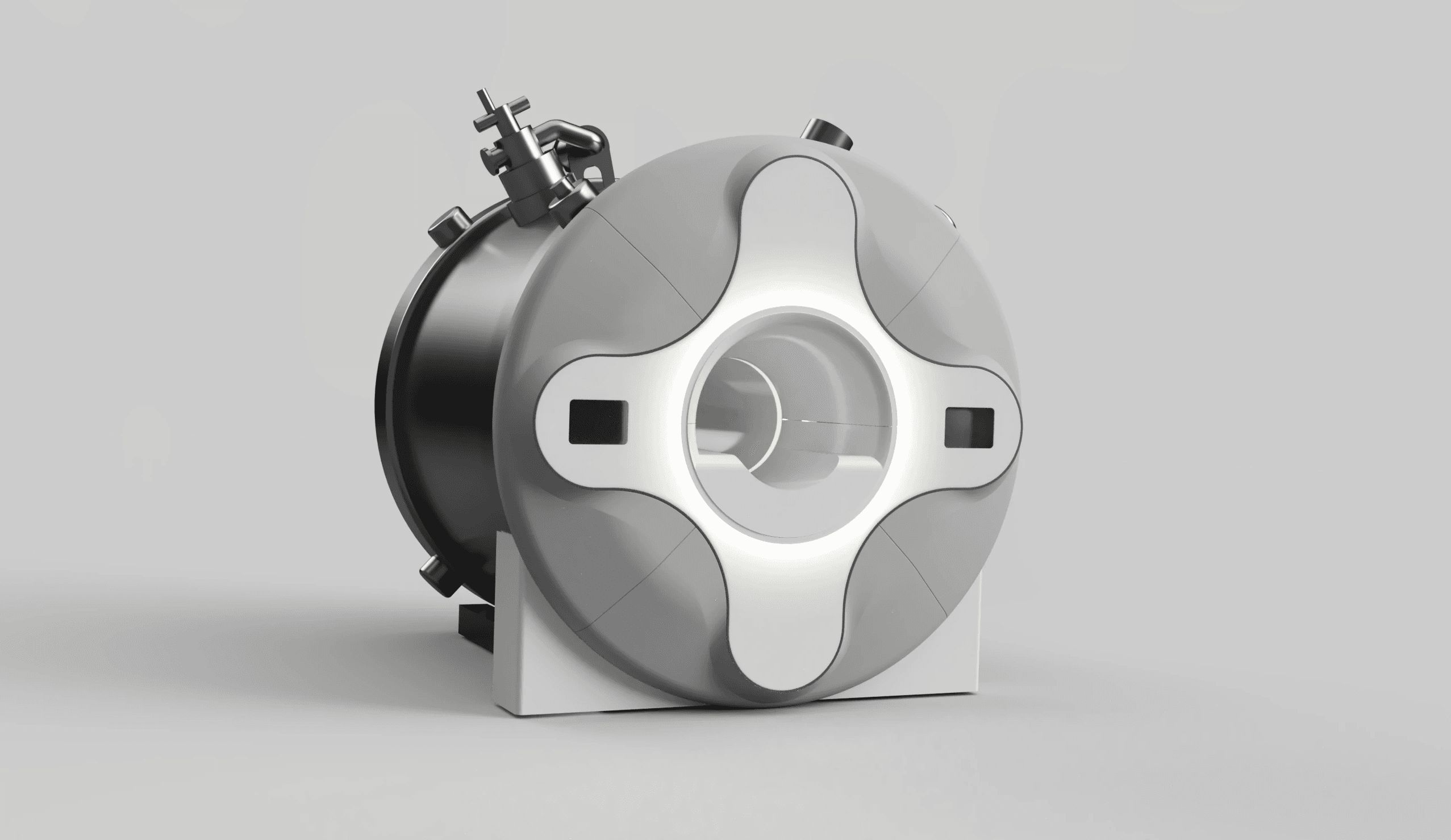
Designed an illuminated bore system to maximize perceived space and create a more welcoming environment.
A critical aspect of this project was navigating the unique challenges of medical device design. Our team ensured every design decision aligned with medical standards while addressing all the other needs of the project.
Proven Results
The redesigned MRI enclosure was successfully installed in January 2020, delivering immediate improvements across multiple dimensions:
Created a welcoming environment that reduces volunteer anxiety, ensuring continued access to subjects for ongoing research
Radially arranged panel system provided easy access for technicians, reducing downtime and maintenance costs
Successfully rejuvenated a valuable research asset, avoiding the need for costly equipment replacement
Rather than simply creating a new enclosure, we focused on understanding the psychological impact of the MRI experience. The radially arranged panel system and illuminated bore were specifically designed to address user anxiety while maintaining full functionality for medical staff and maintenance team.
The project demonstrated how thoughtful industrial design can improve user experience as well as solve operational challenges.