

Hardware development means constantly balancing innovation, quality, and manufacturing reality. Learn how Peloton and Ring maintained this delicate balance through production challenges that would destroy less adaptable companies.
Introduction
This chasm between prototype and production isn't just a technical challenge—it's an emotional rollercoaster. One day you're showing investors a working prototype that gets them excited, and the next you're staring at a BOM that's somehow tripled in cost when scaled for production.
But here's what keeps me up at night: for every hardware startup that makes it across this divide, dozens never do. And it's rarely because their idea wasn't good enough. It's because they didn't have the right talent at the right time.
So let's dig into how some remarkable hardware startups navigated these exact challenges. Because the gap is real, but it's absolutely crossable with the right approach.
The Critical Gap: Why Prototypes Fail in Manufacturing
Here's what they gloss over when they teach this in university: manufacturing isn't just scaled-up prototyping—it's an entirely different beast.
When we're prototyping, we're singularly focused on proving functionality. "Does it work? Does it look right? Does it feel right?" become the questions that matters.
But manufacturing asks a completely different set of questions: "Can we make 10,000 of these consistently? Can we assemble it in under two minutes? Will the components be available six months from now?"
Assembly complexity that doesn't matter when you're hand-building five units becomes catastrophic when scaled to hundreds or thousands. Every snap fit, every fastener, every alignment pin has to work flawlessly with minimal human intervention.
Tolerance stacking—where minor dimensional variations compound across components—rarely affects one-off prototypes but can cause significant delays & price changes in mass production.
Component sourcing that seemed straightforward suddenly involves MOQs that blow your budget, lead times that wreck your timeline, or worse—parts that simply become unavailable mid-production.
This disconnect creates a lot of work in translation - Design for Manufacture and Assembly.
Case Study: Peloton - From Garage Prototype to Fitness Empire
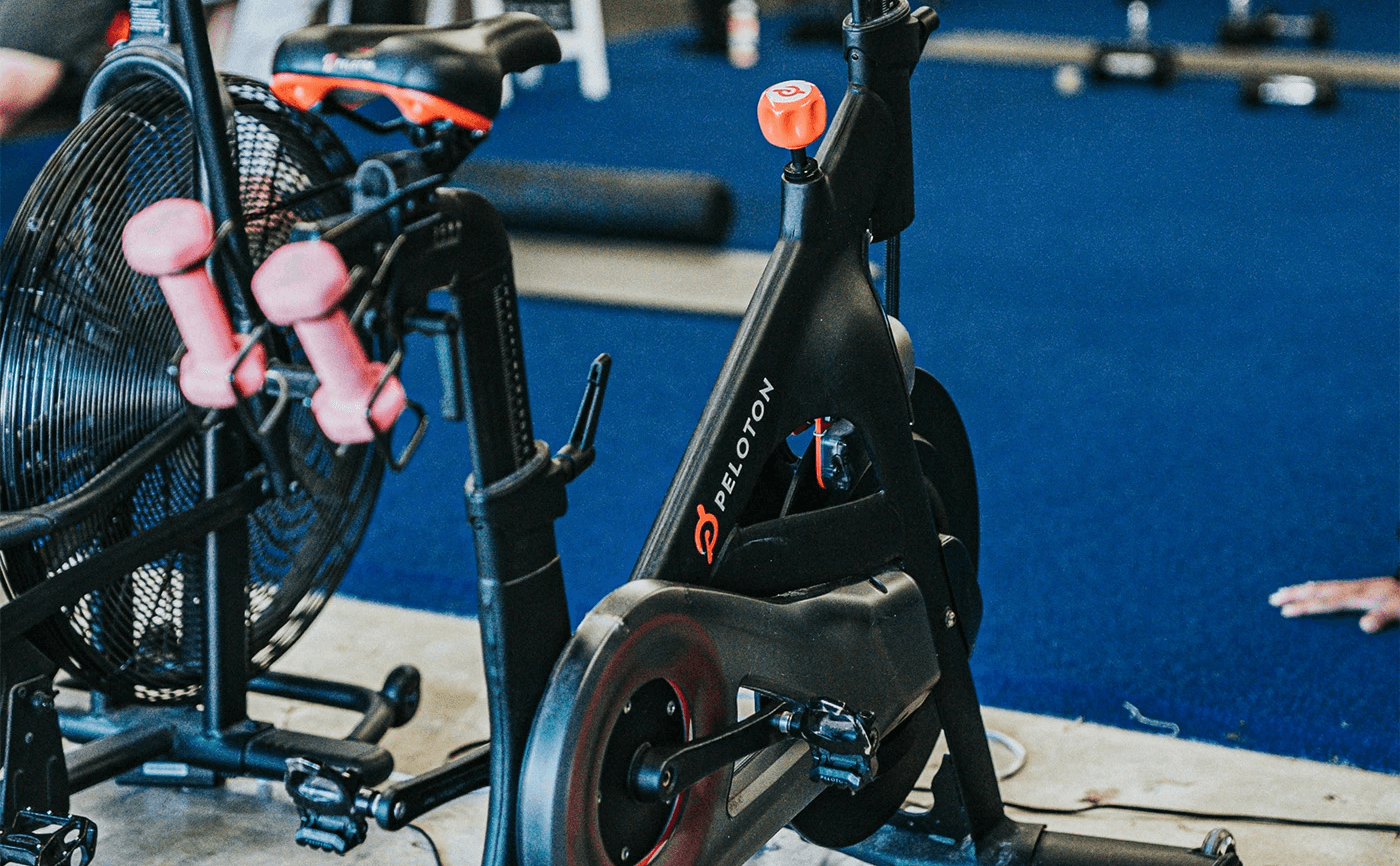
The Peloton story perfectly captures what happens when a team embraces manufacturing challenges as opportunities rather than obstacles.
When John Foley launched Peloton in 2012, he wasn't just building another stationary bike—he was creating an entirely new fitness ecosystem combining hardware, software, and content. That vision came with manufacturing complexities that would have sunk most startups.
What's fascinating about Peloton's early days is how they approached production. Their 2013 prototype was, in Foley's own words, "far from perfect," but it was enough to validate their concept and secure Kickstarter funding. This pragmatic approach—launching with what works rather than waiting for perfection—kept their momentum building while competitors were still perfecting prototypes.
We all know builders who can't let go of their CAD files because "it's not quite right yet." Peloton shows why forward motion trumps perfection. Their initial product release in 2014 faced significant production bottlenecks and delivery inefficiencies, but instead of halting to redesign everything, they adapted their approach while maintaining momentum.
Their vertical integration strategy is particularly instructive. Rather than outsourcing content creation, they built their own studio in Manhattan's Chelsea neighborhood, giving them direct control over a critical component of their ecosystem. This wasn't just about content quality—it was about removing dependencies that could throttle their growth.
When the pandemic created unprecedented demand alongside massive supply chain disruptions, Peloton faced the ultimate manufacturing challenge: products held at ports "for upwards of five times longer than normal" and a staggering $230 million in backlogged orders by mid-2020. Their response? A billion-dollar investment in production and supply chain improvements, including plans for US-based manufacturing.
This will happen to smaller startups- sudden success creating manufacturing challenges that threaten to undermine the very growth you've worked so hard to achieve. The difference between companies that survive these moments and those that don't often comes down to how quickly they adapt.
Peloton's funding approach also demonstrates manufacturing savvy: they aligned capital raises with specific production needs. Their staged approach—$10.5 million Series B (2014) for bike design modifications, $30 million Series C (2015) for retail and production expansion, and $75 million in late 2015 for software development—shows how smart funding timing can support scaling.
What began as a garage prototype evolved into a manufacturing operation capable of supporting millions of connected fitness devices.
The lesson isn't that you need hundreds of millions to solve manufacturing challenges—it's that you need to approach manufacturing as a core strategic element rather than an afterthought.
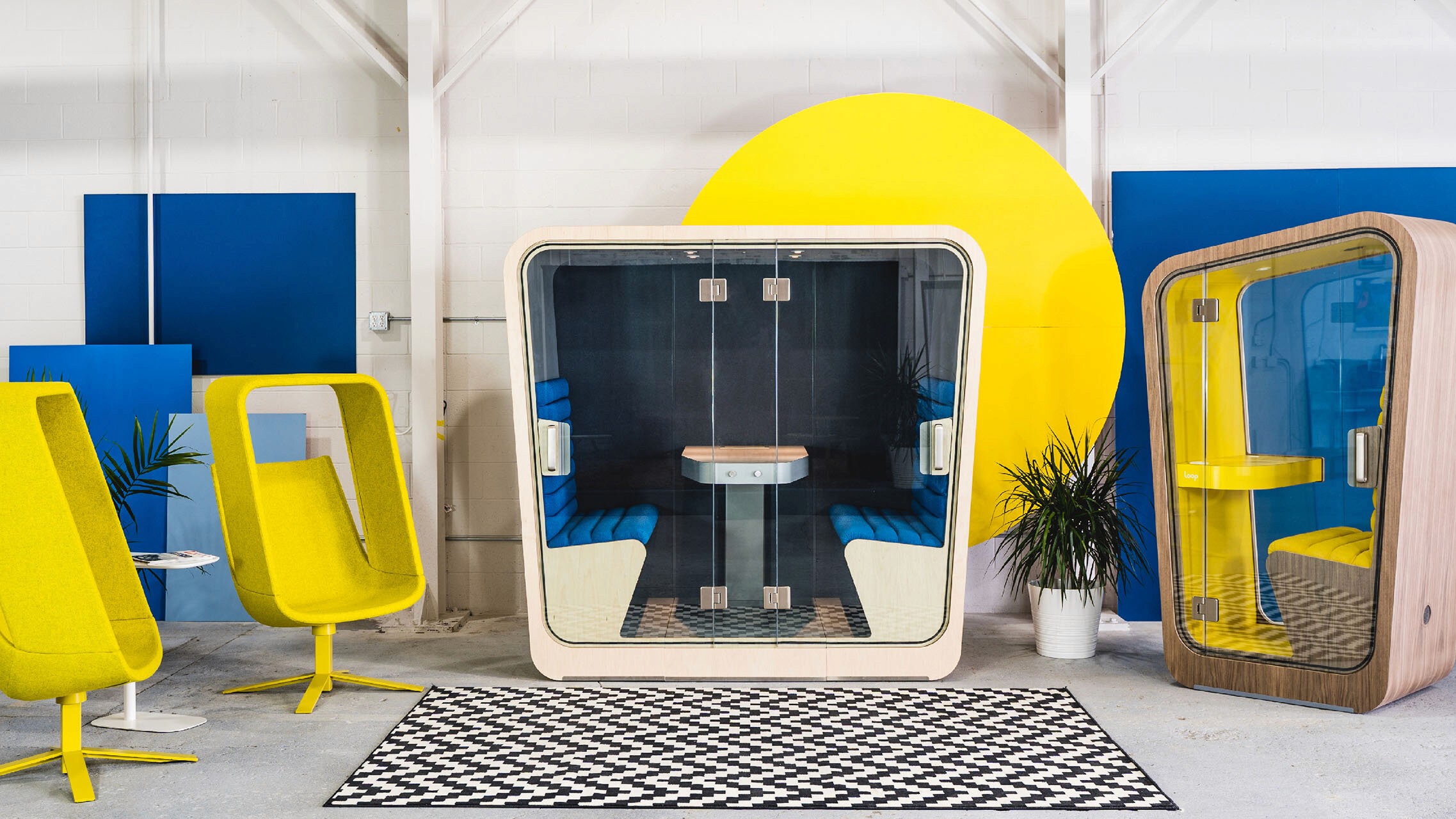
Case Study: Onetwosix Loop Phone Booth Development
[At vero eos et accusamus et iusto odio dignissimos ducimus qui blanditiis praesentium voluptatum deleniti atque corrupti quos dolores et quas molestias excepturi sint occaecati cupiditate non provident, similique sunt in culpa qui officia deserunt mollitia animi, id est laborum et dolorum fuga. Et harum quidem rerum facilis est et expedita distinctio. Nam libero tempore, cum soluta nobis est eligendi optio cumque nihil impedit quo minus id quod maxime placeat facere possimus, omnis voluptas assumenda est, omnis dolor repellendus. Temporibus autem quibusdam et aut officiis debitis aut rerum necessitatibus saepe eveniet ut et voluptates repudiandae sint et molestiae non recusandae. Itaque earum rerum hic tenetur a sapiente delectus, ut aut reiciendis voluptatibus maiores alias consequatur aut perferendis doloribus asperiores repellat.]
Case Study: Ring Video Doorbell - Bootstrapping Manufacturing Excellence
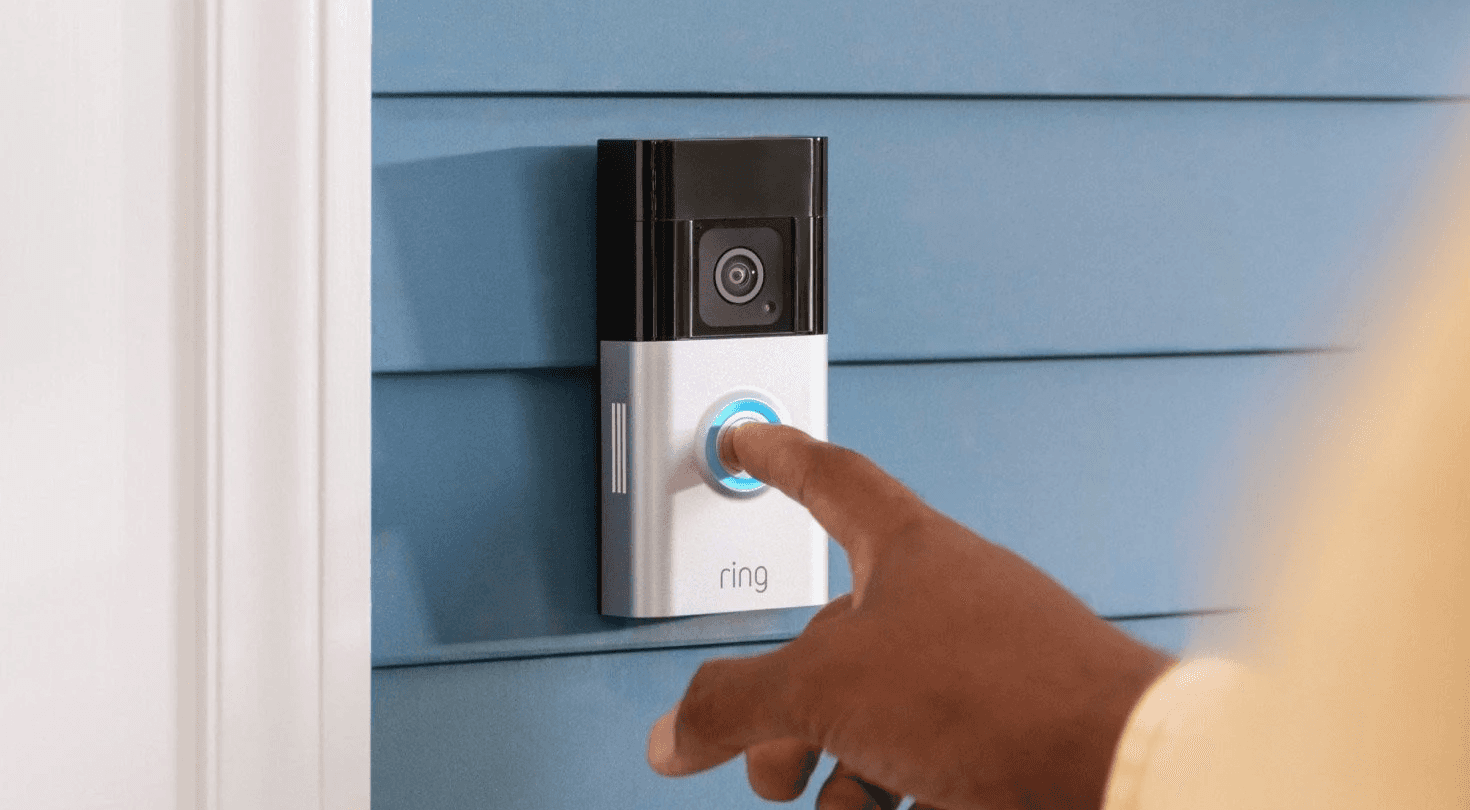
The Ring journey hits differently because it shows how manufacturing excellence can emerge from resource constraints rather than despite them.
Jamie Siminoff built the first DoorBot prototype in his garage, solving a practical problem: seeing who was at the door from anywhere. But transitioning this from clever hack to manufacturable product revealed challenges that would have crushed most founders.
The power requirements alone were enough to give engineers the shivers. Traditional doorbells operate between 8V and 24V AC- a massive variance that plays havoc with sensitive components like imaging sensors. That's before you tackle the extreme size limitations of something that needs to replace a doorbell while housing sophisticated technology.
What's instructive is how Ring approached these constraints: not as limitations but as design parameters. They meticulously engineered power management that delivered consistent performance across variable power sources. They optimized their algorithms to balance processing needs with power limitations. Each challenge became a design opportunity rather than a roadblock.
The Shark Tank rejection could have been devastating (we've all had those punishing feedback sessions), but Siminoff (the founder) used it differently. The publicity spike provided breathing room through increased sales, while the rejection itself catalyzed a critical redesign and rebranding from DoorBot to Ring.
This is where we see the iterative approach that separates successful hardware startups from the rest. Ring focused first on nailing the core functionality (seeing who's at the door) before layering in more sophisticated features in later generations. That prioritization kept the manufacturing challenges manageable while still delivering value.
The results speak volumes: global adoption across 17,000 retail stores in over 100 countries, continuous evolution through multiple product generations, and an eventual Amazon acquisition. All from a product that got rejected on national television.
But here's what really matters: Ring succeeded because they treated constraints as creative boundaries rather than obstacles. That mindset—more than any specific technical solution—is what separates hardware winners from the vast graveyard of "great ideas."
Common Patterns: What Successful Hardware Startups Do Differently
After working with dozens of hardware startups and studying countless others, I've noticed something fascinating: the companies that successfully cross the manufacturing chasm share distinctive approaches that transcend their specific products.
They form manufacturing partnerships, not vendor relationships.
The language here matters. Vendors fulfill specifications; partners solve problems together. Peloton didn't just place purchase orders with suppliers—they eventually invested nearly $1 billion in their supply chain, including plans for US-based manufacturing. That level of commitment transforms the dynamic from transactional to collaborative.
They embrace iteration over perfection.
The most dangerous phrase in hardware development is "one more revision before production." Successful startups understand that some lessons can only be learned through actual manufacturing. Ring's evolution from DoorBot to its current sophisticated offerings shows how each production run informed the next, creating compounding returns on manufacturing knowledge.
They bring manufacturing expertise to the design table—not after designs are "complete."
The old waterfall approach of design → engineering → manufacturing is a recipe for expensive revisions and missed deadlines. When manufacturing considerations influence design from day one, the transition becomes exponentially smoother. This isn't just about DFM checklists—it's about having manufacturing thinking embedded in the earliest design conversations.
They maintain design flexibility where it matters most.
Hardware development requires hundreds of decisions, but not all have equal manufacturing impact. Successful startups develop an almost instinctive sense for when to stand firm on design elements essential to their value proposition versus where to adapt to manufacturing realities. Ring demonstrated this by committing to a single product and user experience regardless of the wide variety of power voltage inputs.
They align funding with production milestones.
Manufacturing has its own financial rhythm that doesn't always match investment expectations. Smart hardware companies time their capital injections to provide runway through critical phases. Peloton's staged funding approach ensured they had capital available precisely when needed for tooling, minimum order quantities, and production scaling.
Warning Signs: When Your Design Isn't Manufacturing-Ready
Let's talk about those moments when your gut tells you something's off with your production plans. These are a few warning signs to look out for:
When production timelines keep stretching without clear resolution:
That initial 8-week production estimate suddenly becomes 12 weeks, then 16, with vague explanations about "refinements" or "optimization." This usually indicates fundamental manufacturing issues that no one wants to directly address. Manufacturing timelines should get more precise as you approach production, not less.
When your BOM includes components with questionable futures:
I've watched startups build entire products around components that were already heading toward end-of-life or had single-source dependencies. Scrutinize your bill of materials not just for current availability but for long-term viability.
When early production units show inconsistent quality:
Small production variances often become catastrophic at scale. If your first dozen units show noticeable differences in fit, finish, or function, that's not a fluke—it's a warning. Production processes should deliver consistency.
When your design fundamentally overlooks the manufacturing processes:
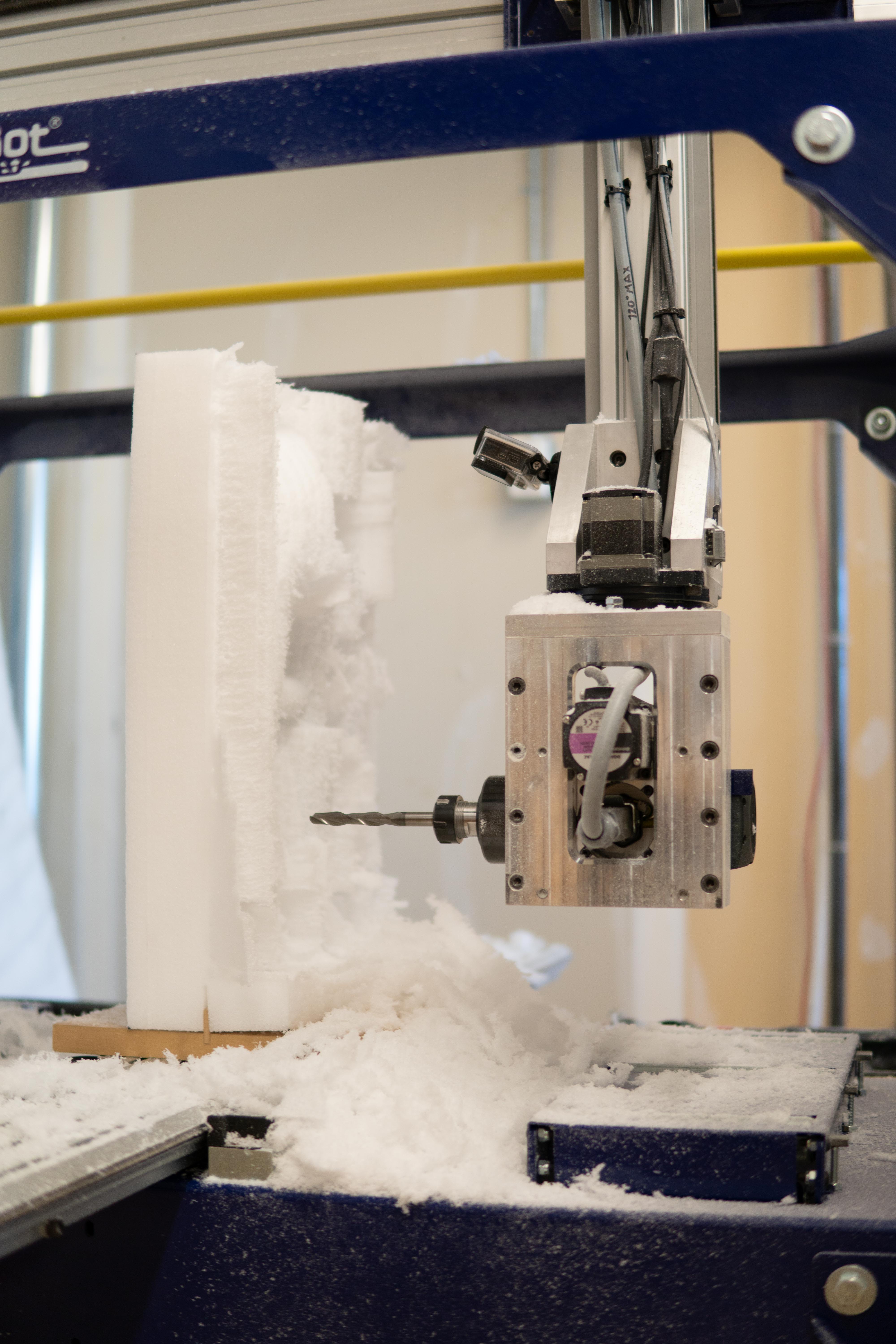
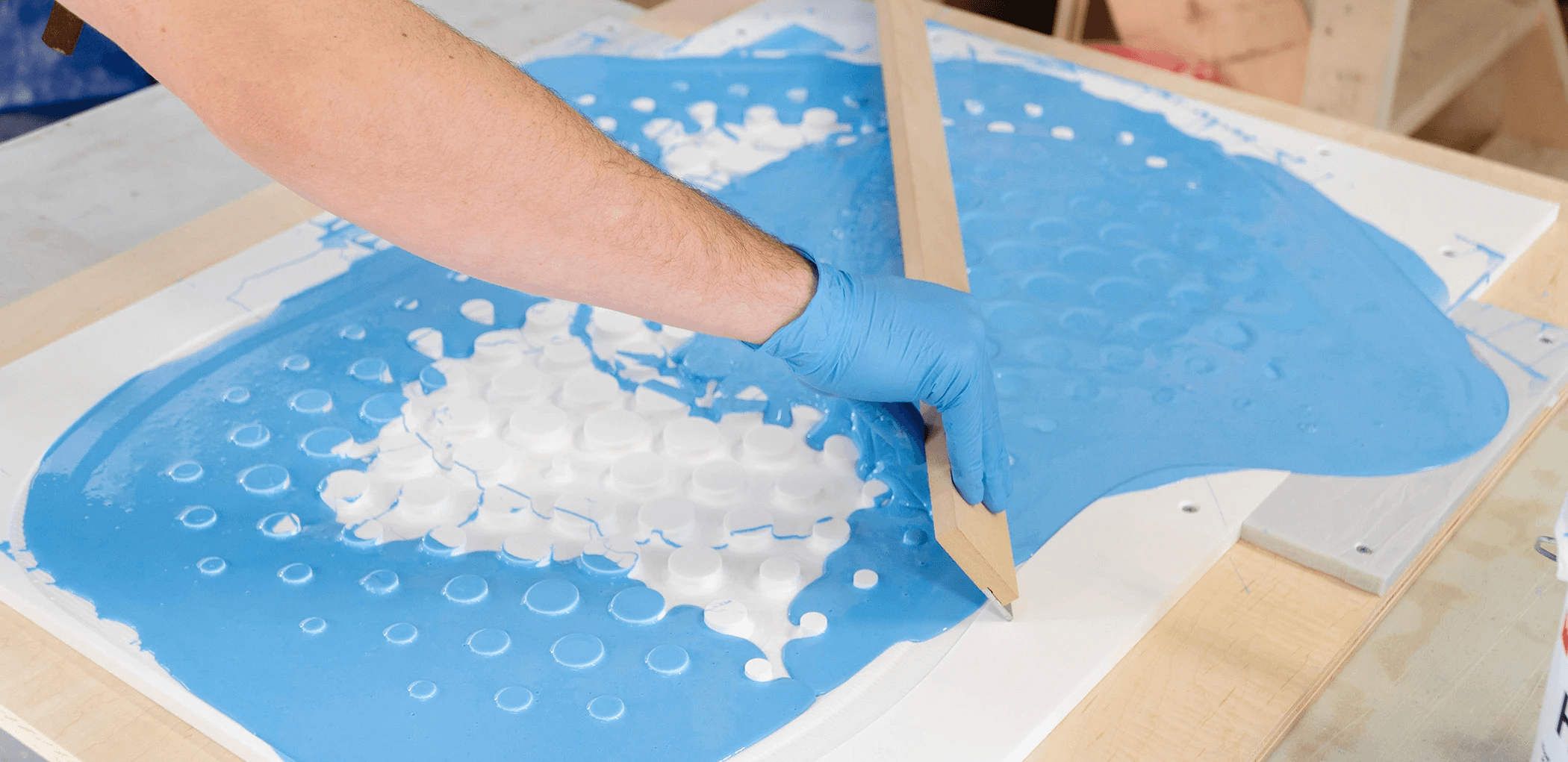
This is perhaps the most common and avoidable issue. Products that require five-axis CNC machining are not scalable (at least not cost efficiently). Injection molding requires consideration for wall thickness, release angles, sink marks, and warping. The physics of manufacturing processes cannot be negotiated with.
The Onetwosix Approach:
Bridging Design and Manufacturing
After a decade of bringing products to life—both for clients and ourselves—we've developed a methodology at Onetwosix Design that directly addresses the prototype-to-production gap that derails so many promising hardware startups.
Our approach isn't revolutionary—it's deliberate. We've built our entire process around eliminating the traditional disconnect between creative vision and manufacturing reality through four integrated phases: Understanding, Forming, Refining, and Producing.
Understanding isn't just about gathering requirements—it's about identifying manufacturing constraints before they become roadblocks. While most design firms start sketching immediately, we invest time upfront analyzing your budget, timeline, and technical limitations alongside market research. This prevents those devastating late-stage discoveries that force expensive redesigns.
Forming is where our manufacturing expertise truly differentiates us. We don't develop concepts in isolation and then "throw them over the wall" to production teams. Each early concept gets preliminary manufacturing analysis before you ever see it, ensuring that aesthetic appeal and production feasibility develop together, not in conflict.
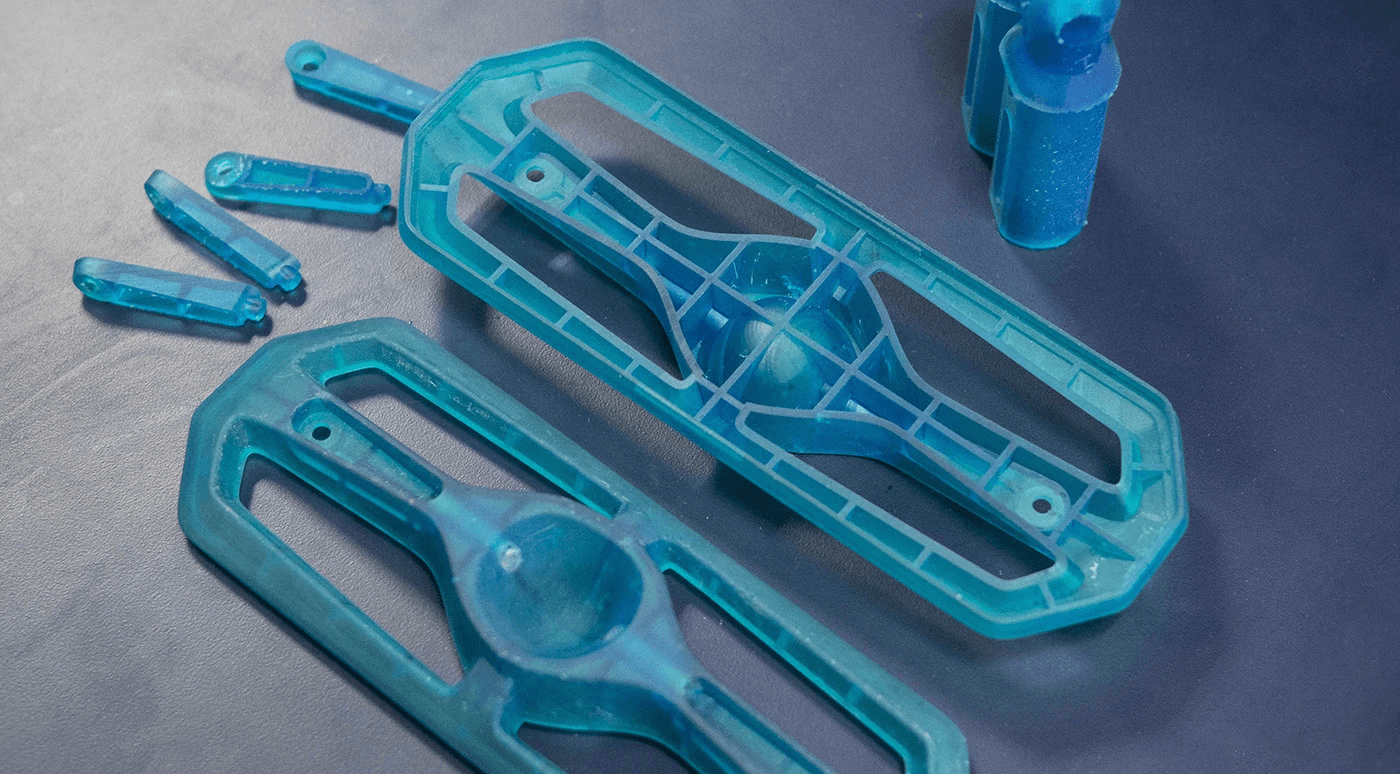
Refining leverages our 7,000 sq ft facility's comprehensive prototyping capabilities to create the shortest possible feedback loop between design decisions and physical validation. When we can test a design change in hours rather than weeks, we can explore more solutions and identify manufacturing issues before they become expensive problems. Our Design for Manufacture (DFM) development happens concurrently with design refinement—not as an afterthought.
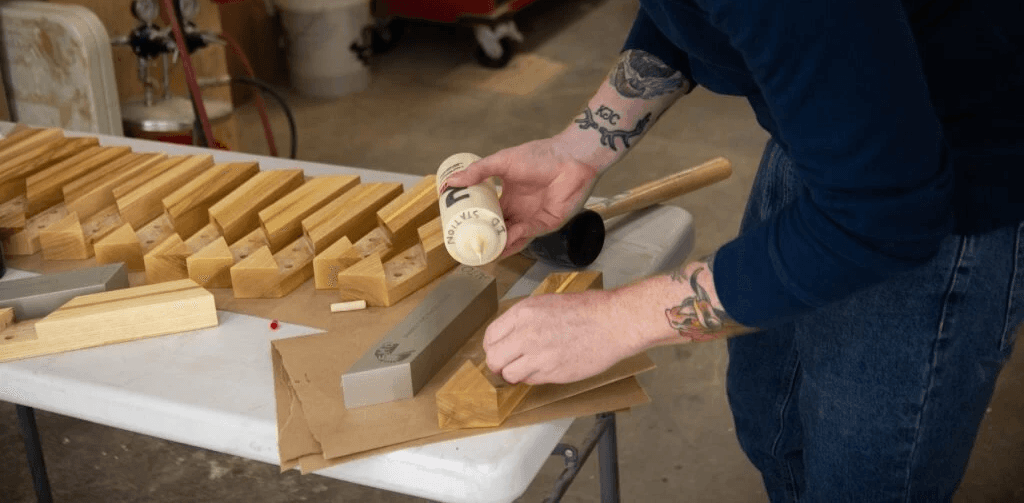
Producing reflects our real-world manufacturing experience through our Loop Phone Booth product line. We've navigated material shortages, freight disruptions, quality control challenges, and assembly optimization—not theoretically but practically. Whether managing small-batch production in-house or liaising with external manufacturers, that experience flows directly into how we approach every client project.
What truly sets our methodology apart is that we don't view design and manufacturing as sequential phases but as integrated aspects of the same process. Manufacturing considerations influence our earliest sketches, and design intent is preserved through our production documentation. This integration eliminates the "design handoff" that so often leads to manufacturing compromises and timeline delays.
For founders like you who are navigating the challenging terrain between prototype and production, this approach means you're not facing that journey alone. You're partnering with a team that has crossed that divide repeatedly—both for clients and for ourselves.
Conclusion: Balancing Innovation, Quality, and Manufacturing Reality
The gap between prototype and production isn't just technical—it's a mindset shift. The founders behind Peloton and Ring didn't get everything right initially, but they maintained a crucial balance: protecting what made their products revolutionary while pragmatically evolving what needed to change for production.
Successful hardware creators approach manufacturing not as a necessary evil but as a creative constraint that strengthens their products. Whether you're facing unexpectedly high manufacturing quotes, component shortages, or planning your production path, remember that every successful hardware product overcame similar hurdles through approach, not luck.
Let’s keep in touch.
Discover more about high-performance web design. Follow us on Twitter and Instagram.

